
Origin Story Part 0
Humble Beginnings

I grew up in a one-stoplight town in rural Arkansas, full of corn fields and minnow farms. My childhood home was about 10 miles outside of town on a dirt road, with basically no neighbors nearby. My mother was a school teacher, and after school let out, we drove home and there was no going back to “the city” for the day. I had to find ways to keep myself occupied, and video games were one of those ways.
The earliest game I can remember is the Mario/Duck Hunt combo packed in with the original Nintendo (NES). I also remember playing “10 Yard Fight” NES football with my Dad. He could not figure out how to push diagonally on the d-pad, so I’d beat him every time.
Time spent playing video games was a stark contrast from everyday rural life. We would hunt squirrels in our back yard. Our house had a wood burning fire, the only source of heat in the home. Winters were spent cutting down trees in our backyard, stockpiling wood, and waking up in the middle of the night to literally put another log on the fire. Video games were a welcome escape, and I grew infatuated with learning everything I could about them.
As I started to mature, so did the gaming industry. It was undergoing a resurgence after a crash from the Atari days. After the NES would come the SNES, but a console war had started. I sided with Sega, thanks to clever marketing from video game magazines. I subscribed to several monthly gaming publications and wrote to them regularly with opinions on the industry and critiqued their ratings and styles of coverage. Every month I would check the mailbox for the next issue, hoping my letters would get published. A few times they were.


Throughout my childhood, I stuck with Sega and upgraded to the Sega Dreamcast using money I saved up from working at the local gas station/grocery/pizza shop. The Dreamcast had PC-like features, including keyboard support and a built in modem. I learned to use a mouse and keyboard through a console port of Quake 3. I figured out how to get free dial up internet, exposing me to online gaming and the internet for the first time. In most ways, my first computer was a Dreamcast.
I decided that I wanted to work in the games industry. To me, that meant being a games journalist, or being a programmer. My interest in the technology pushed me in the direction of the latter. But to become a programmer, I needed to get access to a real computer.
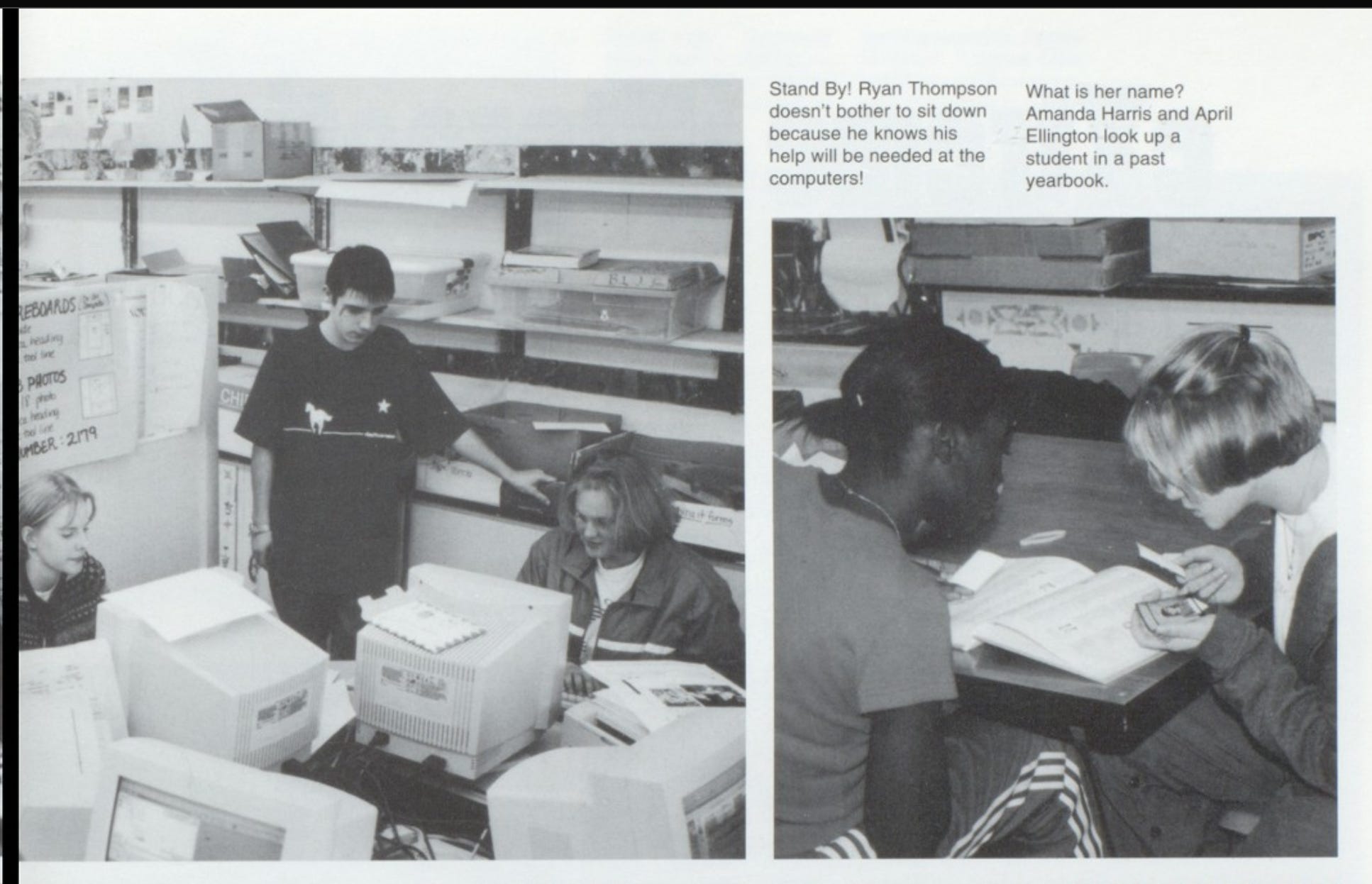
It wasn’t until the late 90’s that our school would get access to computers, and the second they were installed, I was hooked. I would skip lunch and take every computer class offered to get screen time. I eventually ended up being suspended for hacking into the network to play pranks on classmates. This was devastating, not because of getting in trouble, but because I was banned from using any computers at school indefinitely.
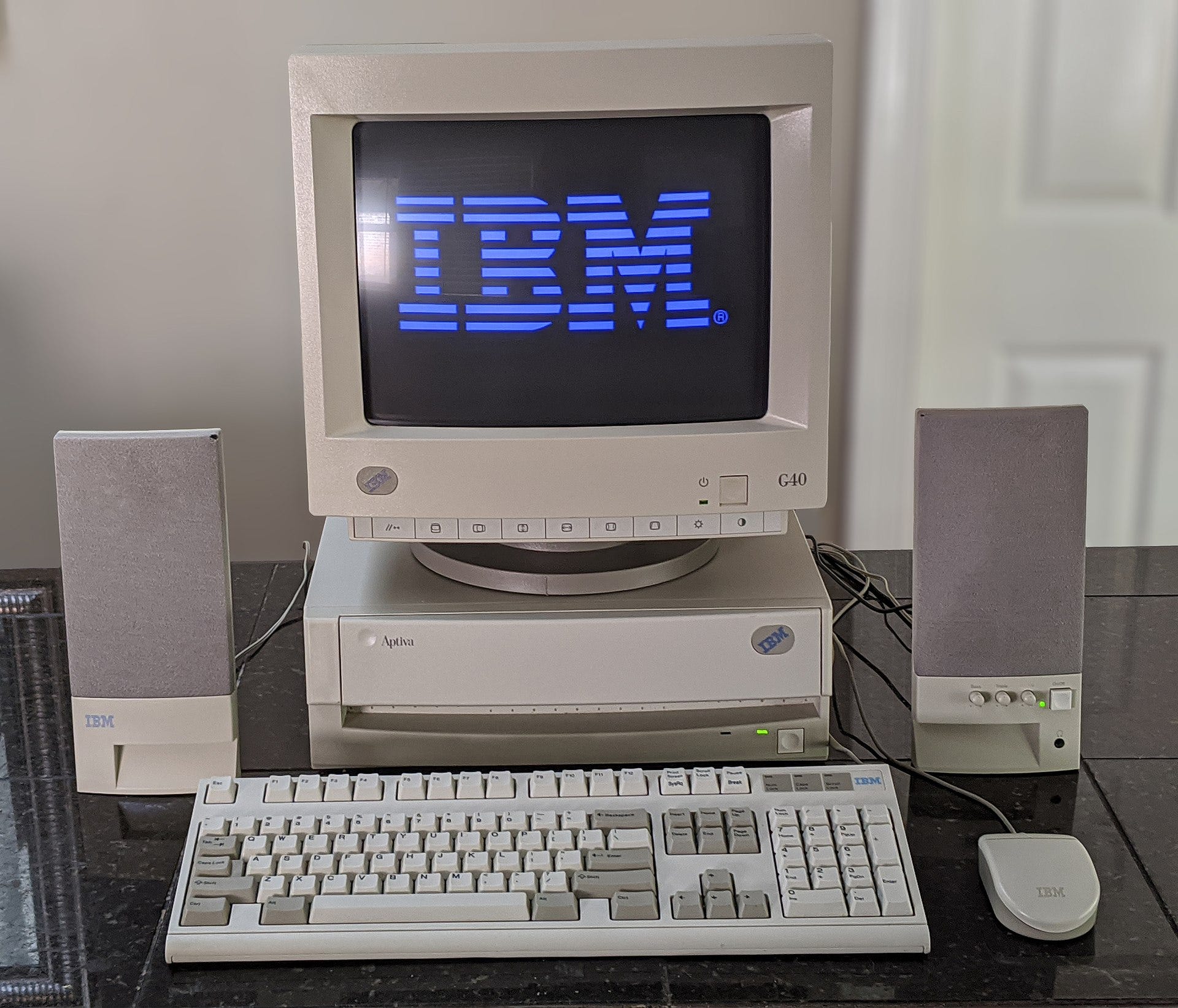
I could not let the ban deter me. I used my time off from school to put in extra hours at work and begged my parents for a home PC. School suspensions notwithstanding, I was good kid with solid grades, and my parents saw the positives of having access to a computer at home. They took out a credit card to finance an IBM Aptiva from RadioShack. I remember boasting to my friends about the blazing 100 MHZ Pentium processor and an entire 8MB of video memory. Games still came on floppy disks, and I spent my next birthday playing the gift of DOOM from a friend, instead of interacting with any of the guests.
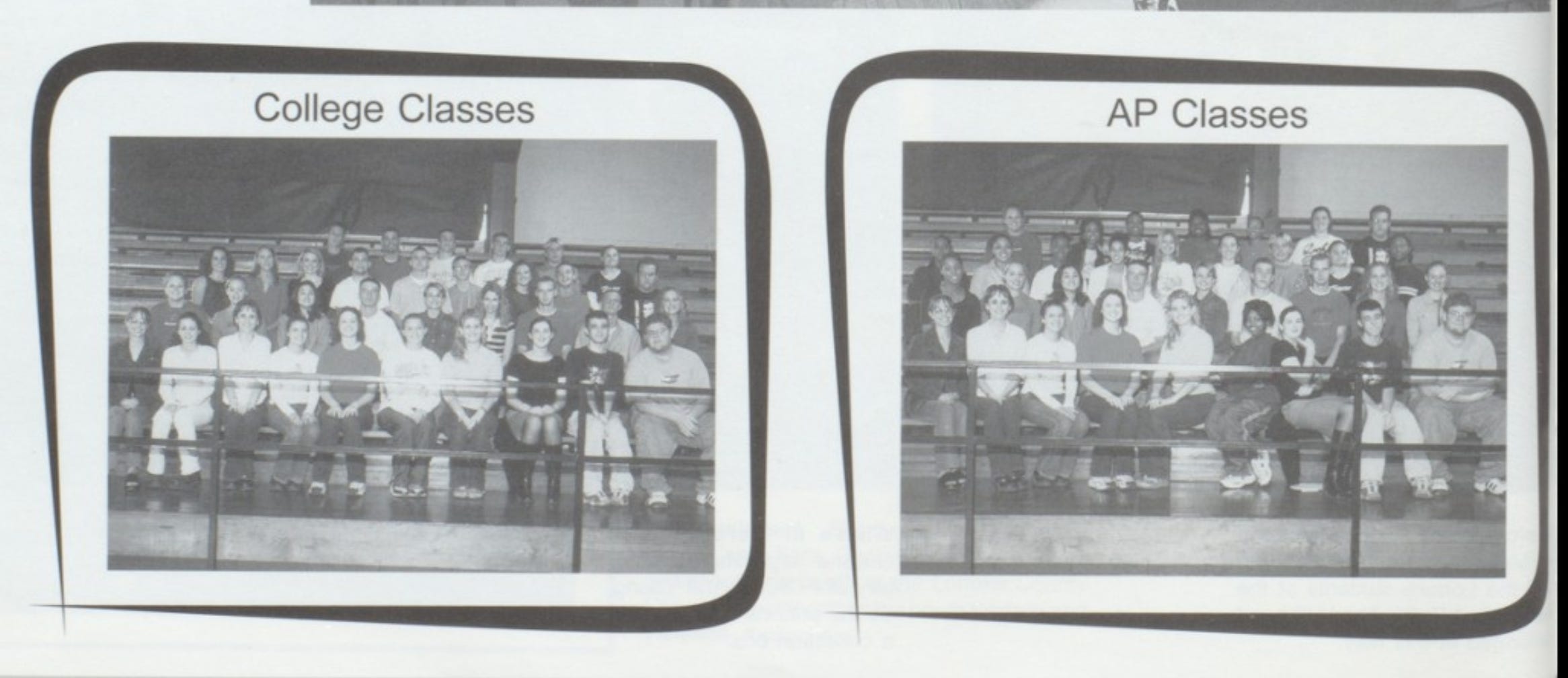
Midway through High School, I took the ACT (the south’s equivalent of the SAT) and scored a 30/36. This was an exceptionally strong score, especially considering it was my first attempt and I was still years from graduating. Through a series of events involving our principal propositioning my prom date, school administration was replaced at our school, wiping most faculty’s memory of my computer ban, so I started using them again. I doubled down on learning everything I could about computers, games, and the internet with what time I had left. I also decided to get a head start by taking advanced classes to gain early college credit.
My dream was to attend Full Sail University in Florida, the only college offering game design courses at the time. Unfortunately it was far too expensive, so I would have to settle for something in state. My ACT score was enough for a full paid scholarship to any school in Arkansas. I eventually chose ASU Jonesboro, with a major in Computer Science.
I couldn’t wait to get to college and finally learn how to make video games. The path seemed as clear as day; I surely would be at a game studio coding away in a matter of years.
I couldn’t have been more wrong.
Next up: Part 1: The College Years